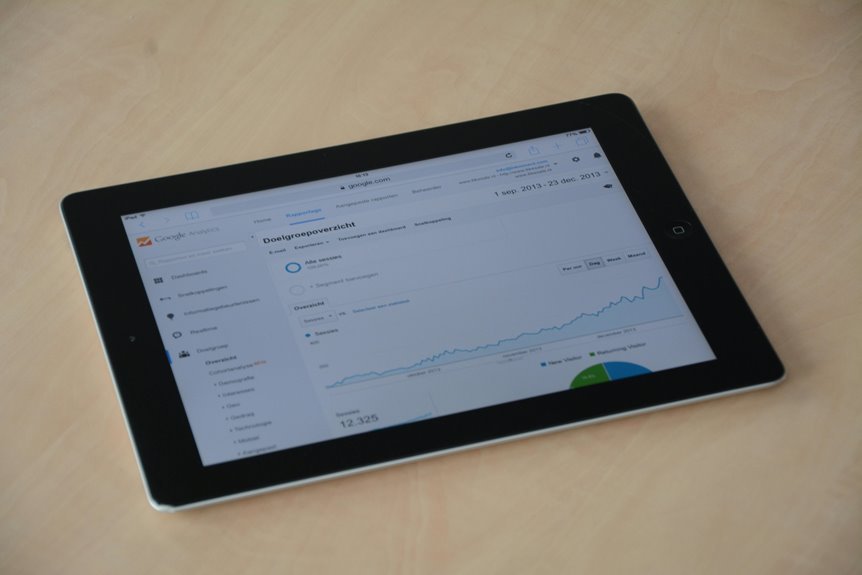
Smart Digital Services 931998862 Analytics represents a significant advancement in data utilization within organizations. This approach harnesses sophisticated technologies to convert raw data into meaningful insights. By focusing on real-time analysis and predictive capabilities, businesses can enhance their decision-making processes. However, the effective implementation of these analytics solutions is not without its challenges. Understanding these complexities is crucial to unlocking the full potential of Smart Digital Services Analytics. What implications does this hold for future business strategies?
Key Features of Smart Digital Services 931998862 Analytics
The landscape of Smart Digital Services Analytics is defined by several key features that enhance data-driven decision-making.
Real-time monitoring enables organizations to track performance metrics instantaneously, fostering agility.
Meanwhile, predictive modeling utilizes historical data to forecast future trends, allowing for proactive strategies.
Together, these features empower businesses to harness insights, promoting a culture of informed decision-making and ultimately facilitating greater operational freedom.
How Smart Analytics Drives Business Growth
Harnessing the capabilities of smart analytics significantly influences business growth by providing actionable insights that inform strategic initiatives.
Organizations leverage data-driven decisions and predictive modeling to anticipate market trends, optimize resources, and enhance customer experiences.
This analytical approach not only streamlines operations but also fosters innovation, empowering businesses to adapt swiftly to changing environments and maintain a competitive edge in the marketplace.
Transforming Data Into Actionable Insights
Transforming raw data into actionable insights requires a systematic approach that integrates advanced analytics, data visualization, and strategic interpretation.
Employing effective data visualization techniques enhances comprehension, allowing stakeholders to identify trends and patterns swiftly.
Moreover, leveraging predictive analytics applications enables organizations to forecast outcomes, optimizing decision-making processes.
This synergy cultivates a data-driven culture, empowering businesses to act decisively and adaptively in a dynamic environment.
Overcoming Common Challenges With Analytics Solutions
Organizations increasingly recognize the importance of data-driven insights, yet many encounter significant challenges when implementing analytics solutions.
Key obstacles include ensuring data quality and fostering user adoption. High-quality data is essential for accurate analysis, while user adoption is crucial for leveraging insights effectively.
Addressing these issues requires strategic planning, ongoing training, and a culture that values data as a vital resource for decision-making.
Conclusion
In a world where data reigns supreme, organizations often overlook the irony of their own reliance on intuition over analytics. Despite the advanced capabilities of Smart Digital Services Analytics to unveil actionable insights, many still cling to outdated decision-making processes. This reluctance not only hinders growth but also underscores the paradox of possessing powerful tools while failing to harness their potential. Ultimately, the true challenge lies not in the data itself, but in the willingness to embrace it.